

What Football Position Should My Child Play? A Simple Guide for Parents

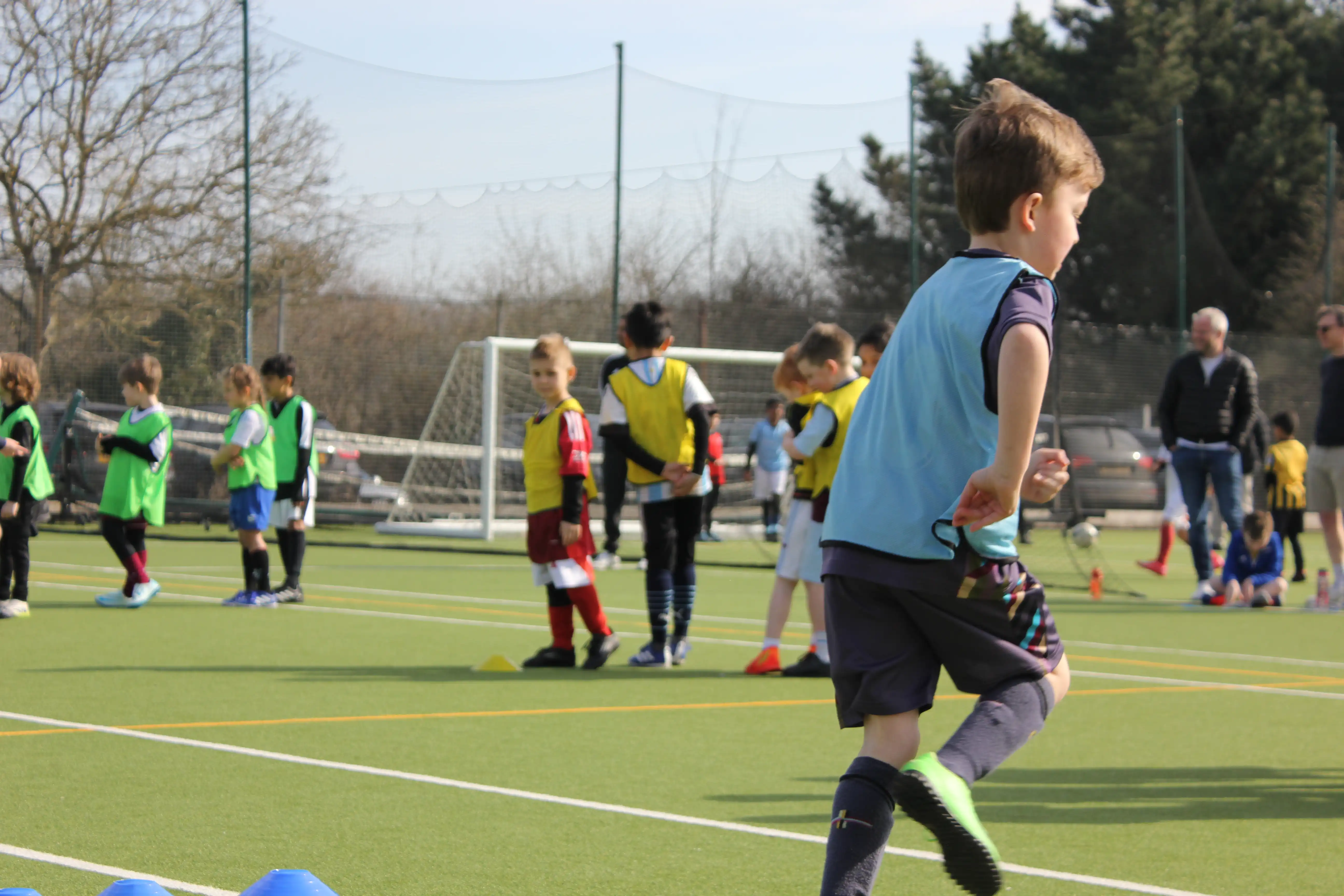
If your child has just started football, you’ve probably wondered at some point:
“What position should they play?”
It’s a very common parent question — but the truth is much simpler than most people expect.
When children are young, the best “position” is no position at all.
Football at these ages is about movement, joy, exploration, and freedom, not tactics or fixed roles.
Let’s break down how positions work at different ages and how you can support your child as they grow.
Do Kids Need a Position When They First Start Football?
Short answer: No. They really don’t.
Children under 8–9 are still learning:
- How to run confidently
- How to kick with balance
- How to share the ball
- How to move with others
- How to have fun on the pitch
Locking them into a position too early limits their development.
Exploring the whole pitch helps them grow more naturally.
Why Young Kids Should Try Every Position
Trying different roles helps children build a wide range of skills:
⭐ As a striker
They practise scoring, movement, and quick reactions.
⭐ As a midfielder
They learn teamwork, passing, and awareness.
⭐ As a defender
They practise positioning, tackling, and decision-making.
⭐ As a goalkeeper
They learn courage, co-ordination, and focus.
A child who experiences every part of the pitch becomes more confident, adaptable, and well-rounded.
This is exactly how we structure sessions at Future 11 — letting kids explore without pressure.
What Position Should My 3–6-Year-Old Play?
At these ages?
None at all — and that’s perfectly okay.
Children this young are still:
- Developing balance
- Building basic co-ordination
- Learning what football even is
- Exploring movement through play
The focus should be:
- Lots of touches
- Lots of running
- Lots of scoring
- Lots of joy
If you’re exploring football with a younger child, this might help too:
👉 Is My 2-Year-Old Too Young for Football?
What Position Should My 7–9-Year-Old Play?
This is the age where early tendencies begin to show.
You might notice things like:
- They always run forward to score → leaning toward attacking roles
- They naturally stay in the middle helping everyone → early midfielder instincts
- They hang back to protect the goal → defensive awareness
- They ask to go in goal often → curiosity about goalkeeping
None of these need to be taken too seriously at this stage — but they’re fun clues about what your child enjoys.
If you’re also wondering whether these signs hint at talent, this guide helps:
👉 5 Signs Your Child Could Be a Star Player
How Do Coaches Think About Positions at Young Ages?
Good youth coaches don’t give children rigid positions.
Instead, they encourage exploration.
A typical session may include:
- Playing forward
- Moving back to defend
- Passing through midfield
- Taking turns in goal
This helps children:
- Stay engaged
- Build confidence everywhere
- Learn to support teammates
- Discover what feels natural
Over time, children begin to show preferences on their own — with no pressure needed.
When Should Kids Specialise in a Position?
Most coaches recommend around ages 10–12.
By this stage, children:
- Understand the game better
- Show clearer strengths
- Have stronger co-ordination
- Handle responsibility more easily
- Can stay focused in one role
Even then, flexibility remains useful — because young players grow and change quickly.
Does My Child Need a Position to Improve?
Not at all.
Improvement at young ages comes from:
- Regular play
- Good coaching
- Confidence building
- Variety
- Fun
If you’re wondering how much football is healthy, this guide will help you balance enthusiasm with rest:
👉 How Often Should a Child Train for Football?
Should I Gently Encourage a Position If My Child Shows Interest?
Yes — but lightly.
If your child:
- Loves scoring → let them spend time up front
- Enjoys helping → midfield might suit them
- Likes defending → try deeper roles
- Wants to go in goal → let them explore it safely
Encourage curiosity, not commitment.
Kids grow best when football feels exciting, not restricted.
What If My Child Only Wants One Position?
It’s normal for kids to latch onto a favourite role — especially striker or goalkeeper.
Let them enjoy it, but also help them stay well-rounded.
For example:
- Strikers still need passing and teamwork
- Defenders still need dribbling
- Goalkeepers still need footwork and movement
A balanced foundation helps them far more in the long run.
Let Them Explore, Learn, and Enjoy
The best position for your child is the one they enjoy today — and it might change tomorrow.
By letting them explore:
- Every area of the pitch
- Every role
- Every skill
- Every challenge
…you give them the chance to grow into confident, adaptable footballers who truly love the game.
At Future 11, our child-first coaching lets kids try everything without pressure — helping them discover their strengths naturally.
⚽ Book a FREE taster session today
and let your child explore the whole pitch with confidence and joy.